Optimal Timing for Window Installations
Choosing the optimal time for Windows installations can impact the efficiency and success of the process. Factors such as system readiness, availability of technical support, and environmental conditions can influence the best timing for installation projects.
Spring and fall often provide moderate weather conditions, reducing the risk of delays caused by extreme temperatures or weather events.
Scheduling during off-peak seasons may ensure quicker access to technical assistance and installation resources.
Aligning installations with planned renovations or upgrades can minimize disruptions and optimize workflow.
Ensuring existing systems are prepared and compatible can reduce installation time and complications.

Spring offers moderate weather, ideal for exterior window installations.

Summer may involve higher temperatures, requiring careful planning for energy efficiency.

Fall provides cooler weather and less humidity, suitable for precise installations.

Ways to make Windows Installations work in tight or awkward layouts.
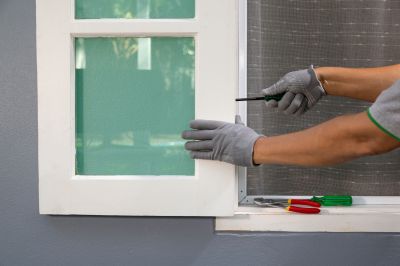
Popular materials for Windows Installations and why they hold up over time.

Simple add-ons that improve Windows Installations without blowing the budget.

High-end options that actually feel worth it for Windows Installations.

Finishes and colors that play nicely with Windows Installations.
| Timing Factors | Details |
|---|---|
| Weather Conditions | Avoid extreme heat, cold, or precipitation for best results. |
| Occupant Availability | Schedule when occupants are least affected by disruptions. |
| Material Delivery | Coordinate with suppliers to ensure timely delivery during optimal seasons. |
| Support Availability | Plan during times when technical support is most accessible. |
| Project Scope | Larger projects may require longer planning and scheduling considerations. |
| Environmental Factors | Consider local climate patterns and their impact on installation. |
Windows installations are a critical component of building upgrades, affecting energy efficiency, security, and aesthetics. Proper timing ensures that installations are completed smoothly, with minimal disruption and optimal results. Seasonal and environmental factors play significant roles in determining the best time for these projects. Accurate planning can lead to cost savings, reduced delays, and higher quality outcomes.
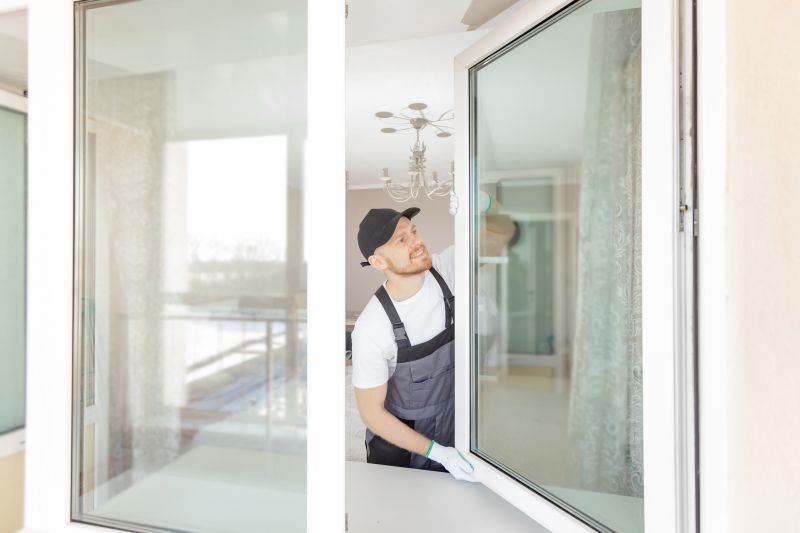
Advanced techniques ensure durability and energy efficiency.
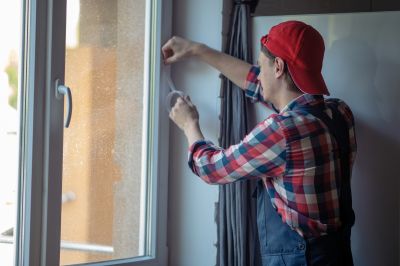
Proper weather conditions are essential for exterior installations.

Interior installations require precise measurements and adjustments.
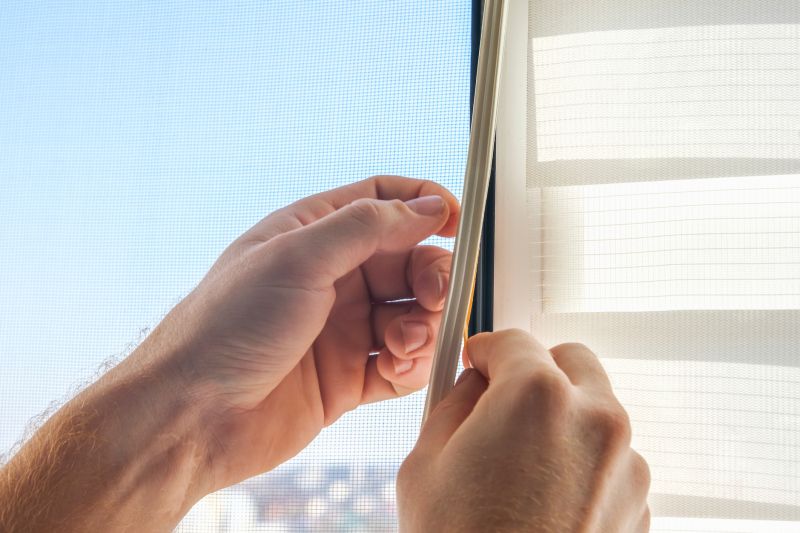
Timing can influence the quality and longevity of window replacements.
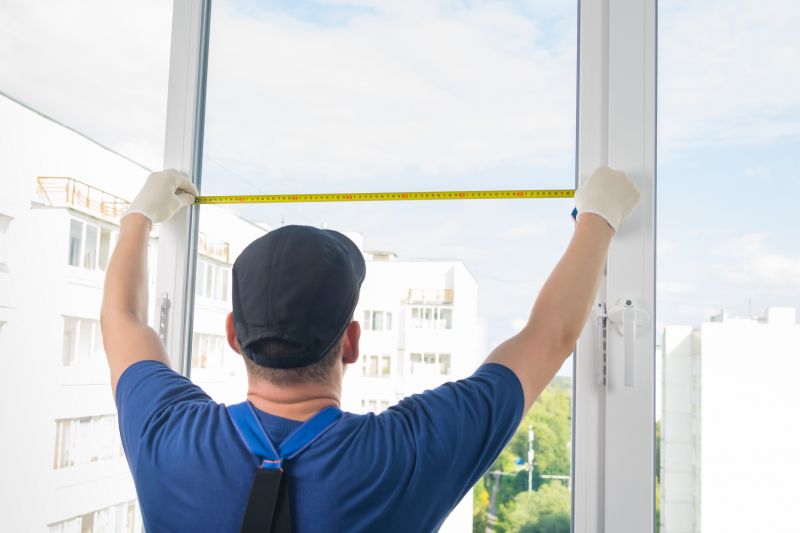
Little measurements that prevent headaches on Windows Installations day.

A 60-second routine that keeps Windows Installations looking new.

A frequent mistake in Windows Installations and how to dodge it.

Small tweaks to make Windows Installations safer and easier to use.
For those interested in scheduling window installations, it is recommended to contact the appropriate service providers to discuss optimal timing based on specific project needs. Proper planning and timing can ensure a successful installation that meets expectations and enhances property value.